


A city carved into stone and shaped by centuries
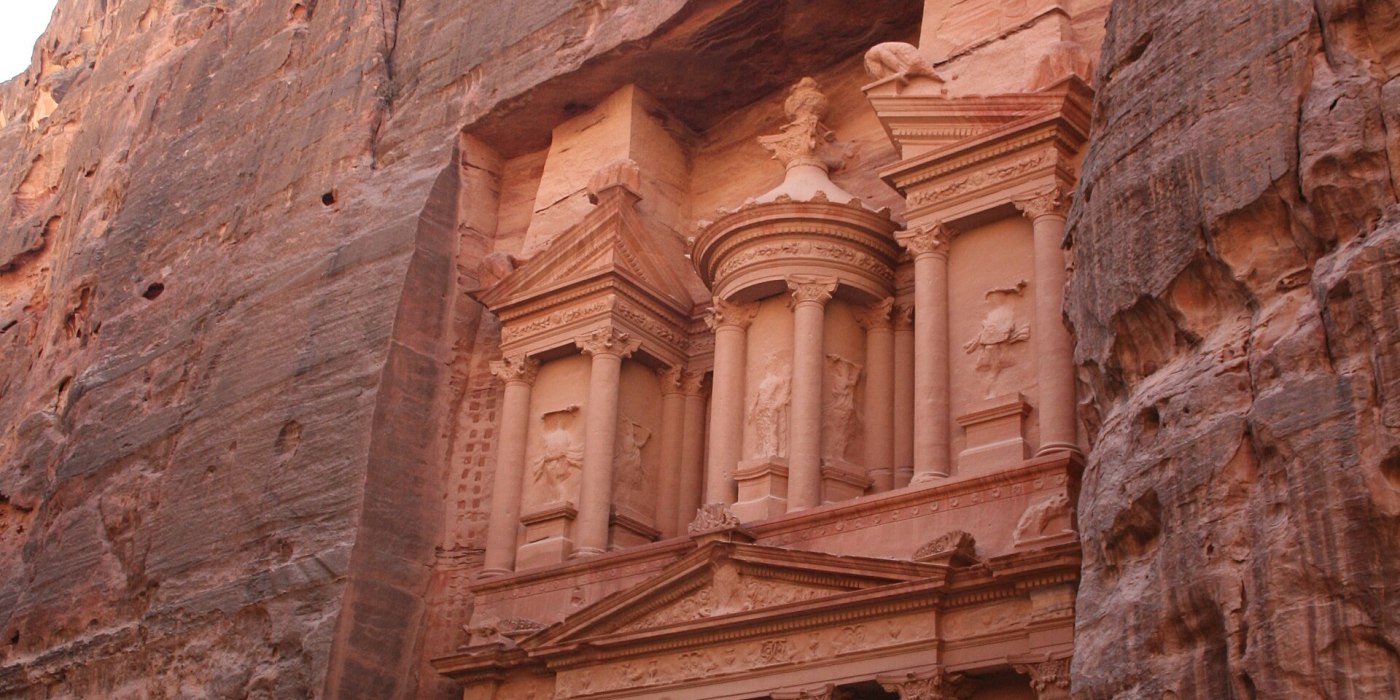
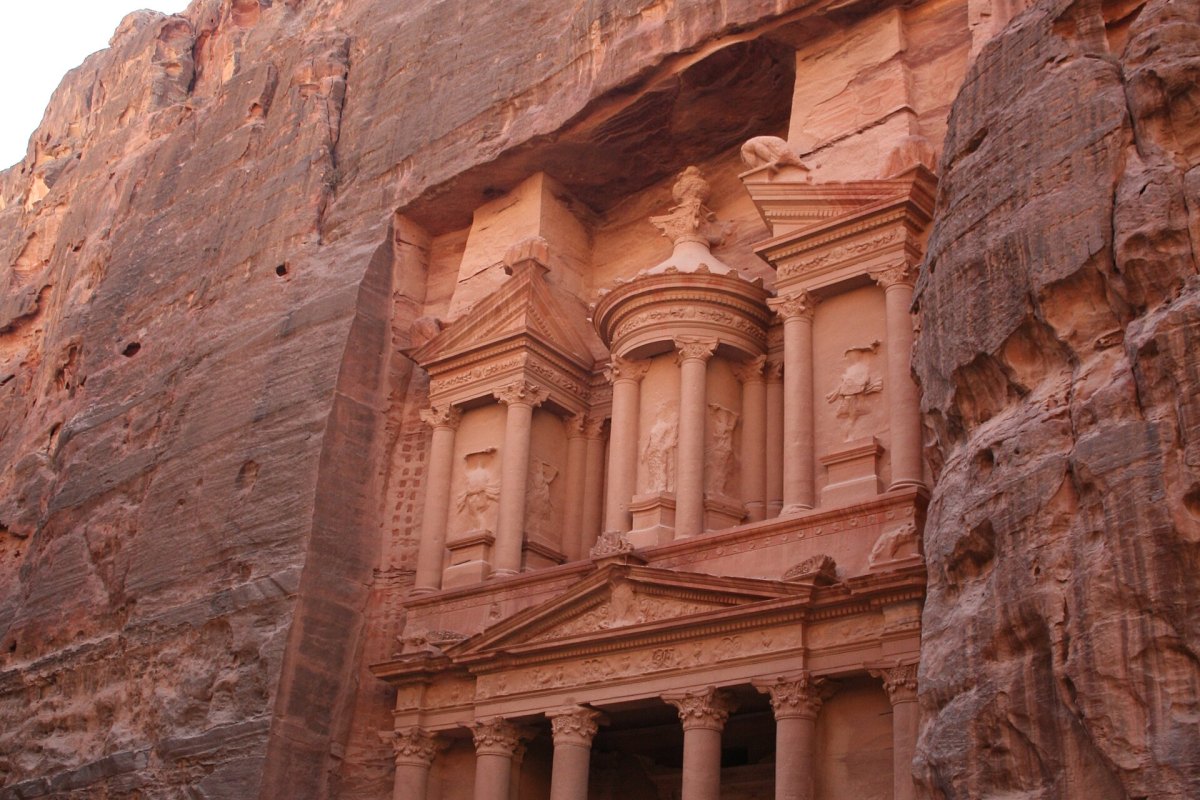
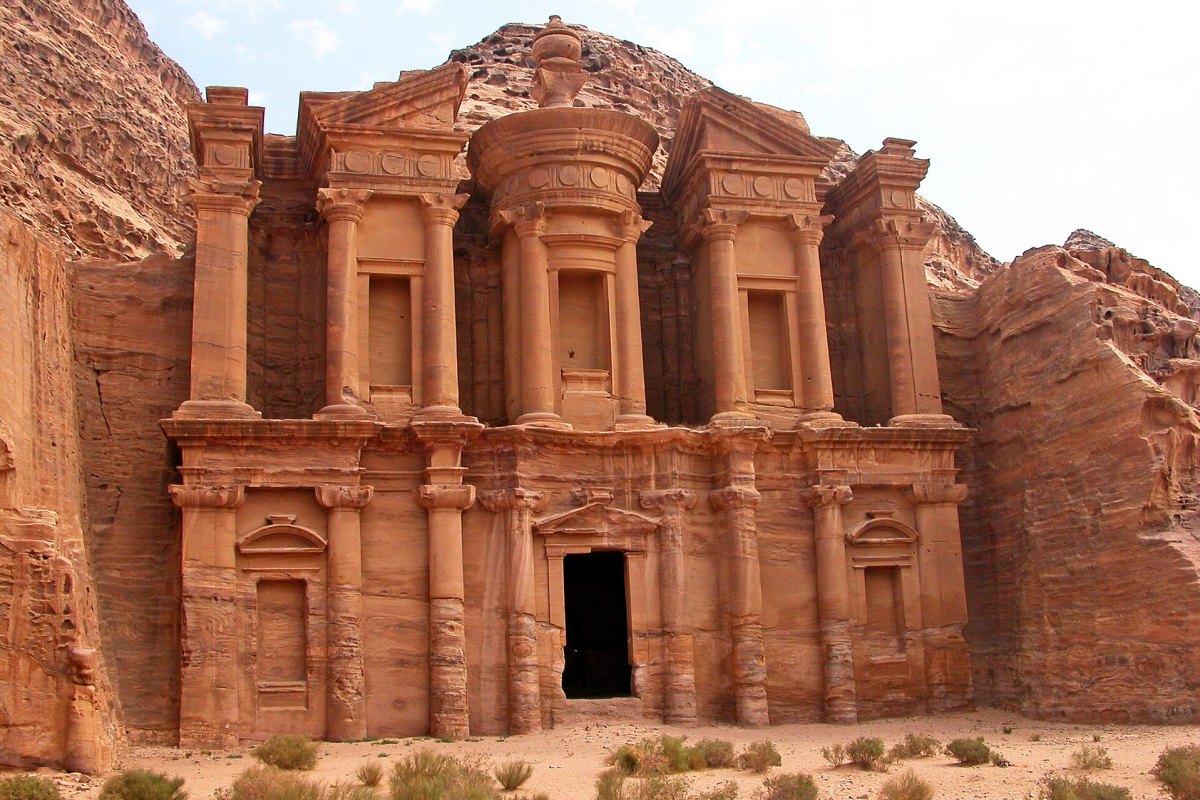
Petra rewards curiosity. Beyond the first glimpse of Al-Khazneh, the Treasury, an entire Nabataean city unfolds through a landscape of rose, amber, and ochre sandstone. Ceremonial façades, rock-cut tombs, sacred high places, water channels, and trading routes reveal how Petra prospered at the crossroads of Arabia and the Mediterranean.
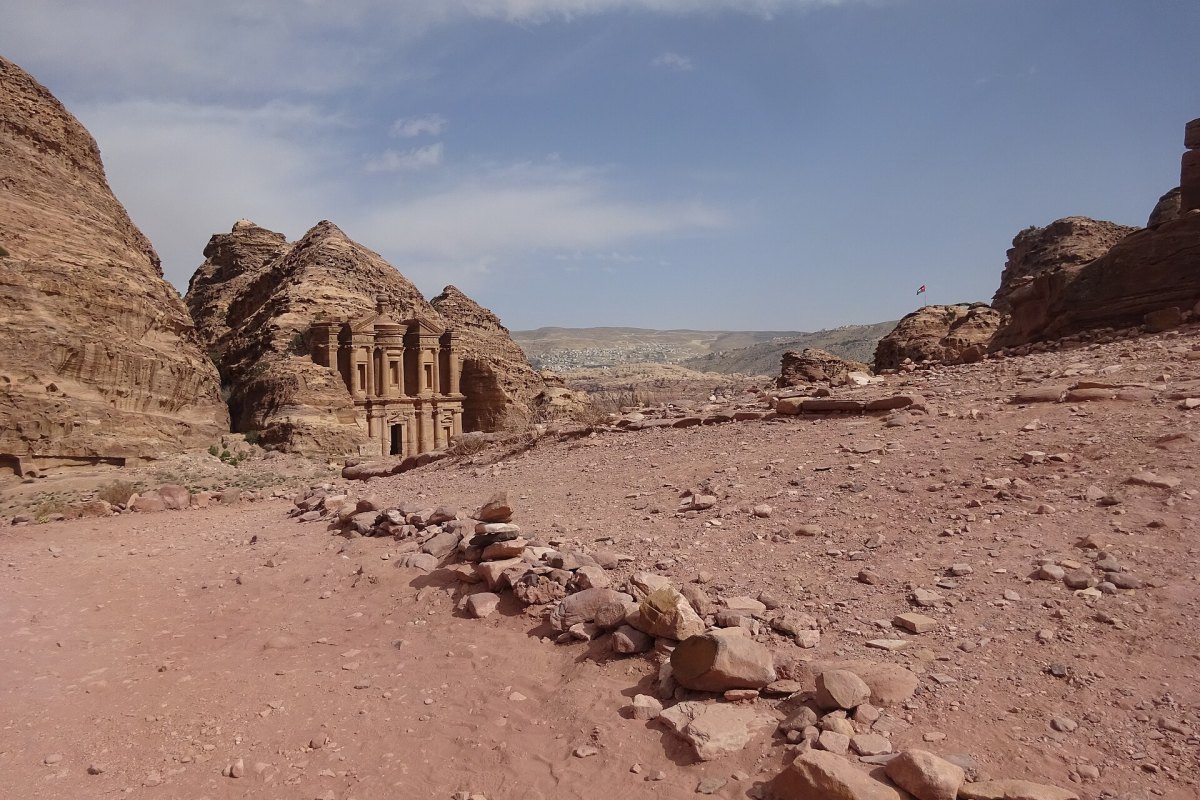
The classic route begins in Wadi Musa and follows the narrow Siq into the ancient city. From there, the Street of Facades, Royal Tombs, theatre, colonnaded street, and Qasr al-Bint lead deeper into the site. Travellers with more time can continue up the historic steps to Ad Deir, the Monastery, or choose a viewpoint trail with a licensed local guide.
Signature experiences
- Walk through the Siq as the Treasury gradually appears between the cliffs.
- Explore the Royal Tombs and look back across Petra’s central basin.
- Climb to the Monastery for one of the site’s most impressive façades.
- Notice the channels and cisterns behind the Nabataeans’ desert water system.
How to experience Petra
A full day covers Petra’s principal monuments, but two days create a more relaxed experience and leave room for quieter trails. Begin near opening time for cooler walking conditions and softer light. Comfortable footwear is essential: even the main route involves long distances, uneven stone, and many steps.
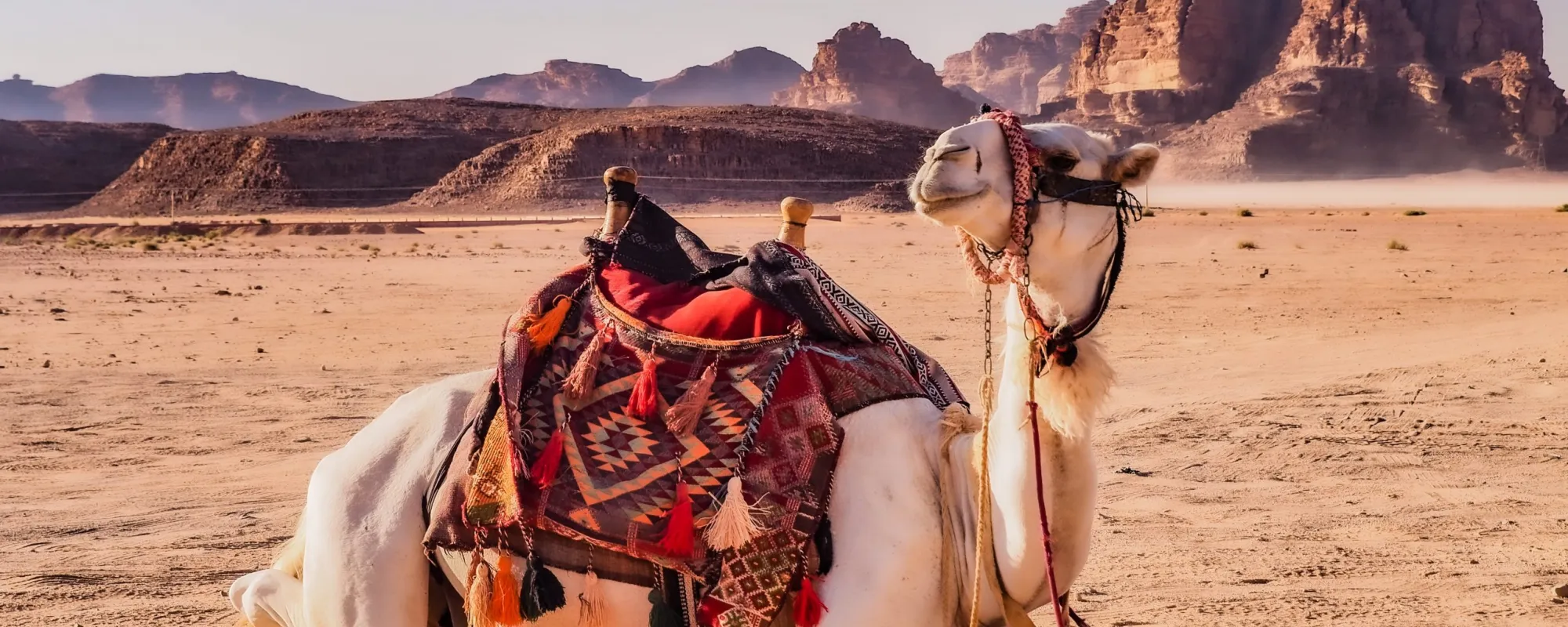
Petra pairs naturally with Little Petra and Wadi Rum. Staying overnight in Wadi Musa makes an early entrance easy and allows time for local restaurants and viewpoints after the archaeological site closes.